
The Allure of Risk and Reward
The psychology behind casino gambling is deeply intertwined with the concepts of risk and reward. For many, the thrill of betting comes from the potential for a substantial payoff, despite the odds being stacked against them. This allure of winning big taps into our natural desires for excitement and the adrenaline rush that accompanies high-stakes scenarios. Many players explore various options, including slots casino, further contributing to the excitement.
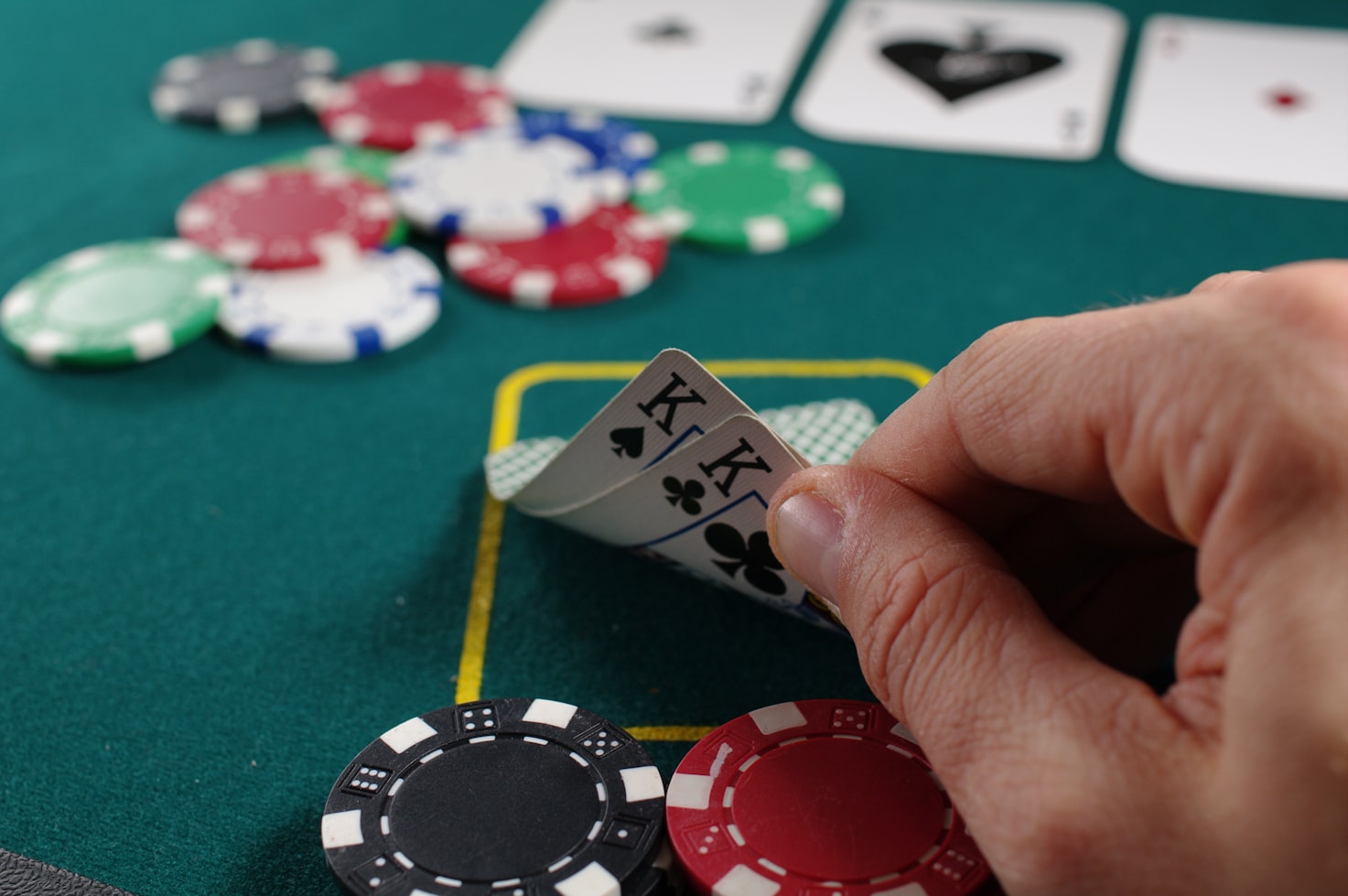
Furthermore, the unpredictability of gambling plays a crucial role in its appeal. Uncertainty can enhance our emotional responses, making each spin of the slot machine or roll of the dice an exhilarating experience. This unpredictability can lead to what psychologists call a “near-miss effect,” where players feel a sense of excitement from being close to winning, which often keeps them returning for more.
The Role of Cognitive Biases
Cognitive biases significantly influence how individuals approach gambling. One prominent bias is the illusion of control, where players believe they can influence the outcome of a game despite it being entirely random. This misconception can cause players to engage more fervently in gambling activities, leading them to wager more in hopes of achieving that elusive victory.
Another critical bias is the gambler’s fallacy, which is the mistaken belief that past events will influence future outcomes. For instance, someone may believe that a losing streak must be followed by a win, prompting them to continue betting. These cognitive distortions, while detrimental, contribute to the compulsive nature of gambling, drawing players into an endless loop of play.
The Social Aspects of Gambling
Gambling is often a social activity, and this aspect greatly influences its psychological appeal. Many individuals are drawn to casinos not just for the games themselves but also for the ambiance and the communal experience of playing alongside others. This social interaction can create a sense of belonging and camaraderie, which enhances the enjoyment of the activity.
Moreover, peer pressure and social reinforcement can encourage people to gamble more than they might on their own. The presence of friends or even the allure of a lively crowd can spur players to take on more risk, further deepening their psychological investment in the activity.
The Escape from Reality
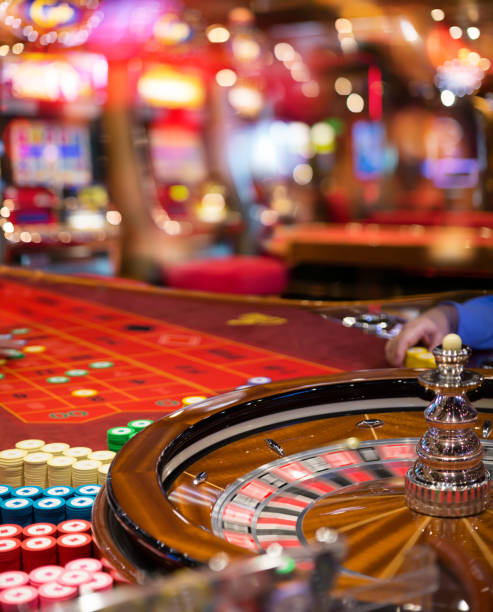
For some, gambling serves as a form of escapism from everyday life. The casino environment provides a sensory overload that can temporarily distract players from their problems. The colorful lights, sounds, and excitement create a unique atmosphere that encourages people to forget their worries and indulge in a fantasy world where they could win big.
This escape can be particularly appealing during times of stress or anxiety. The immersive experience of gambling allows individuals to momentarily step away from their responsibilities, albeit at the potential cost of facing the consequences of their actions later. This coping mechanism, while it may offer temporary relief, can contribute to further psychological issues related to dependency and addiction.
Understanding Safe Browsing and Security in Online Gambling
As interest in online gambling grows, so does the importance of maintaining a secure browsing experience. Players must prioritize their safety when engaging with online casinos, as various threats can compromise personal data and financial information. Understanding the risks associated with online gambling is crucial for an enjoyable and secure experience.
Resources such as security gateways and tools to protect against cyber threats help create a safer environment for online gaming. By informing users about potential risks and providing guidance on safe practices, these platforms contribute to a more secure gambling experience, allowing players to enjoy their time without fearing for their safety.
